History of Branksome Towers
Branksome Towers has been part of this stretch of Dorset coastline for generations, its story woven into the wider history of Branksome Park itself. From its Victorian origins to the residential community it is today, the estate reflects the character and heritage of one of Poole’s most distinguished clifftop settings
A Place with Deep Roots
From Victorian clifftop estate to one of the South Coast’s most distinguished residential addresses.
The Origins of Branksome Park
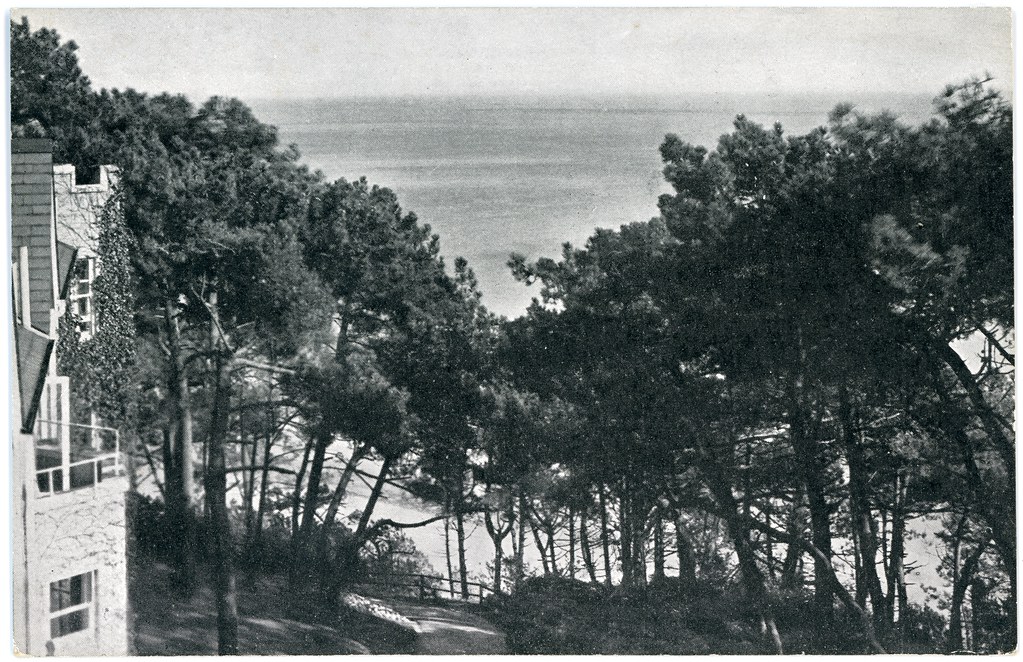
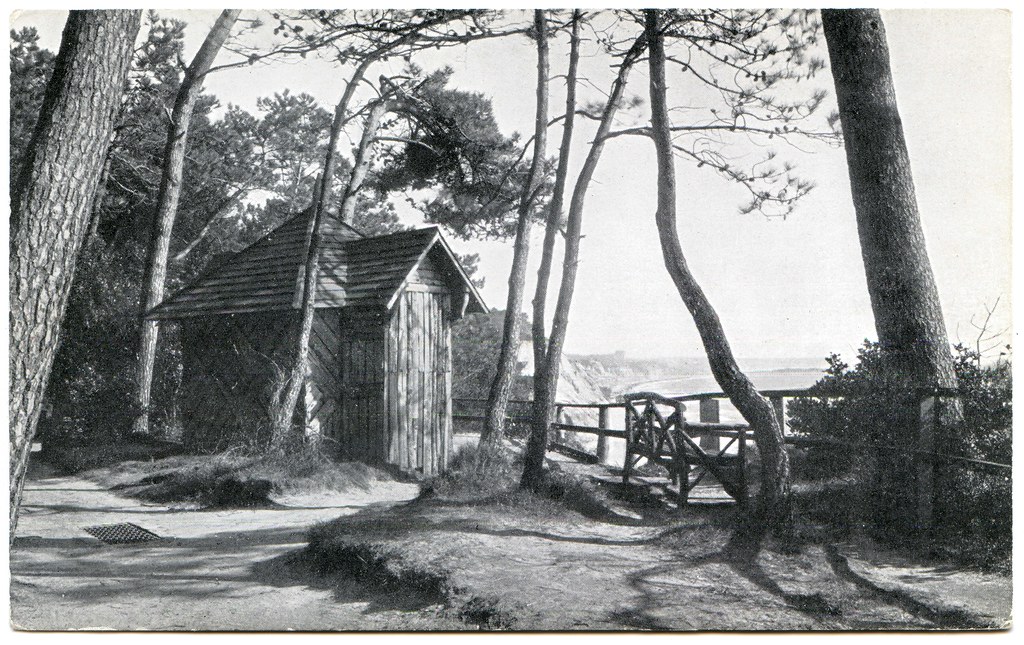
The story of Branksome Towers begins not with bricks and mortar, but with heathland, pine trees, and a Victorian vision for the Dorset coast. What is now Branksome Park was once open heathland stretching along the clifftops between Poole and Bournemouth, its name drawn from Sir Walter Scott’s poem “The Lay of the Last Minstrel,” which gave the area a romantic character from the outset.
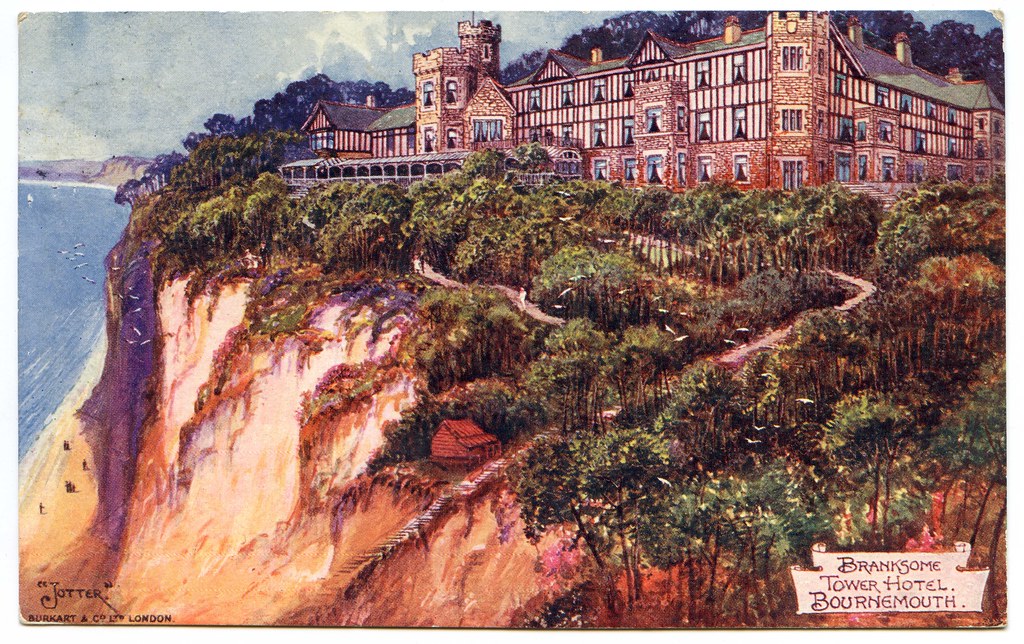
In 1853, Charles William Packe, Member of Parliament for South Leicestershire, purchased a substantial tract of this land and commissioned a grand clifftop mansion, Branksome Tower, set among pine plantations he helped establish himself. The estate’s entrance gates on Poole Road became so closely associated with the old county boundary between Poole and Hampshire that the location is still known today as County Gates.
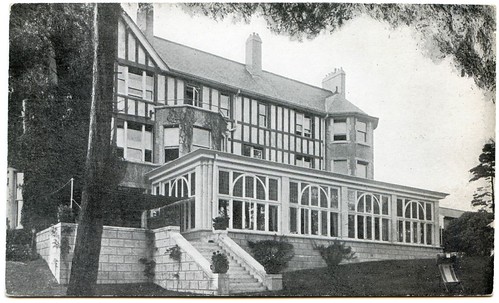
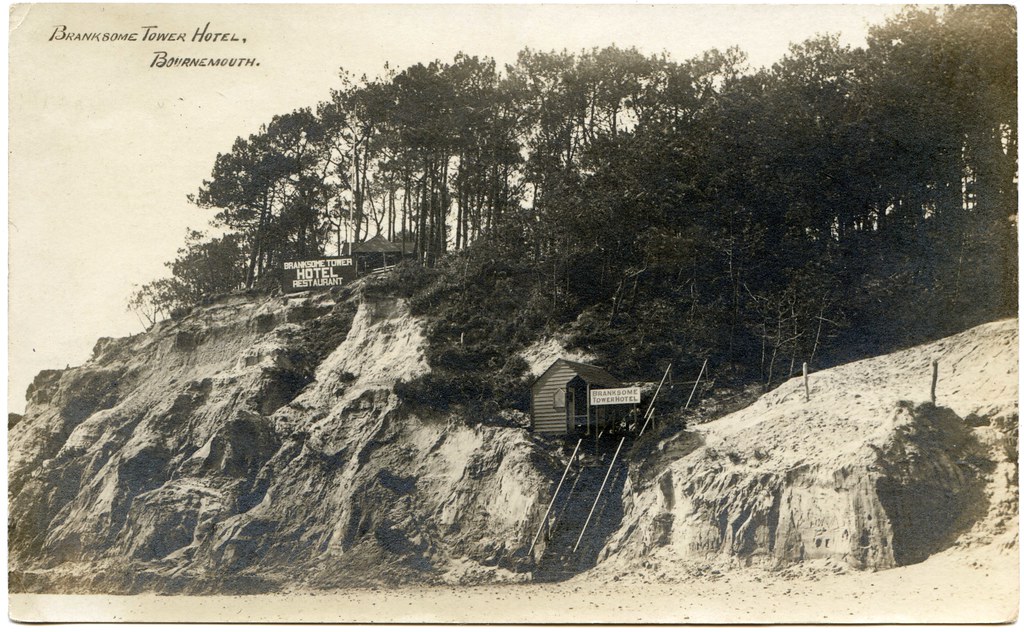
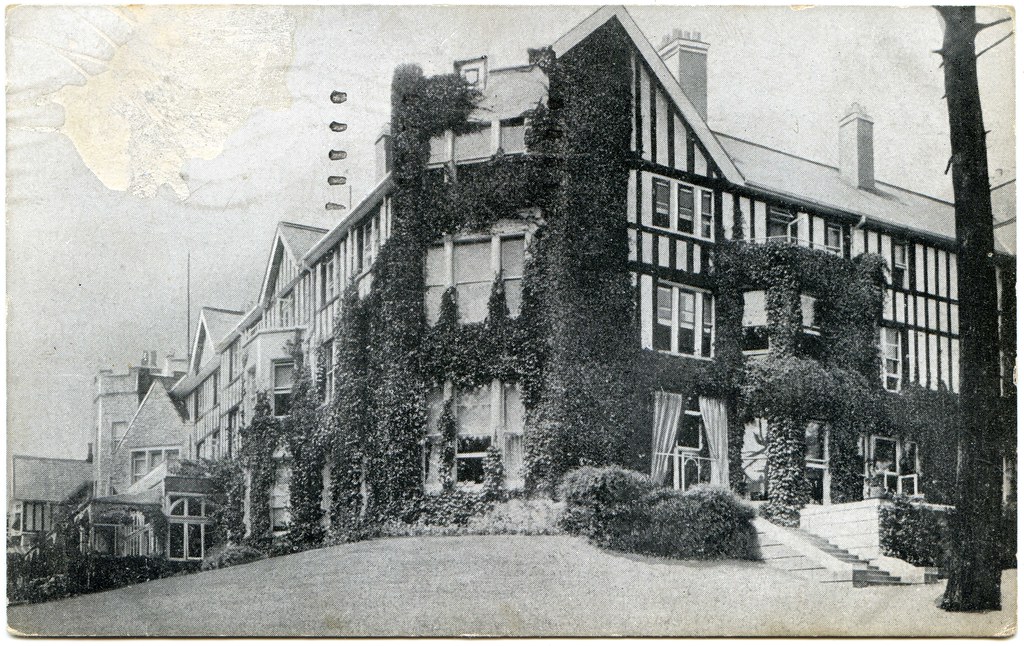
The Branksome Tower Hotel
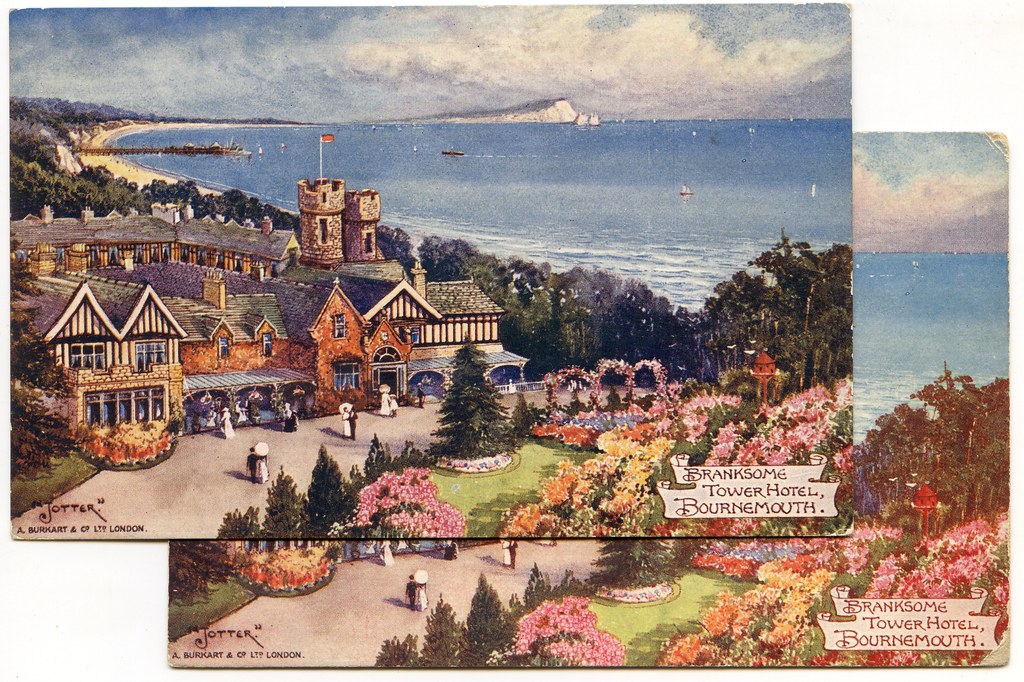
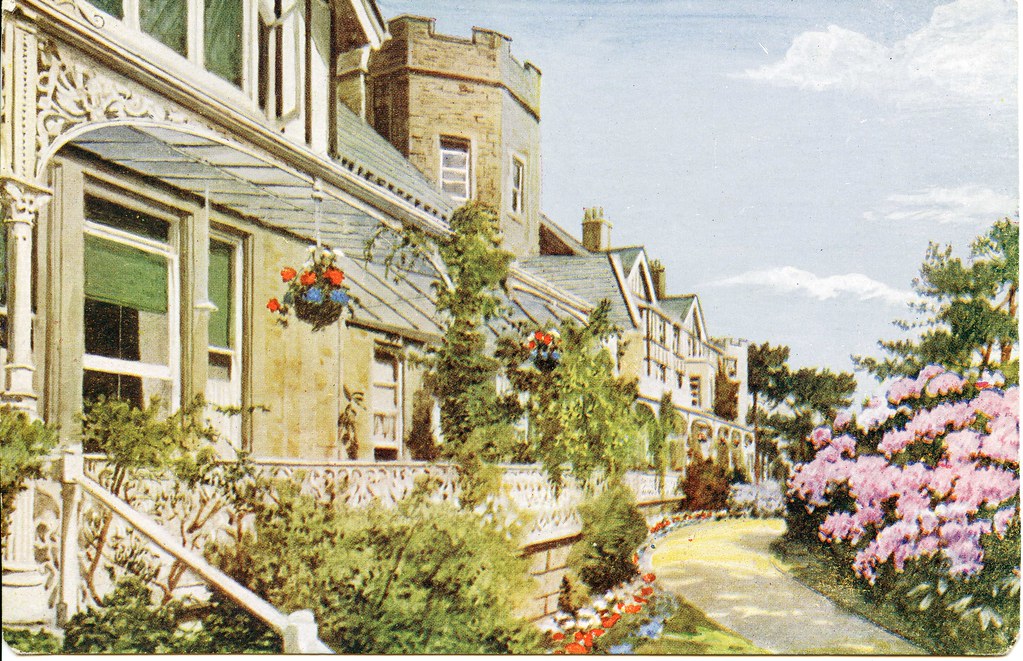
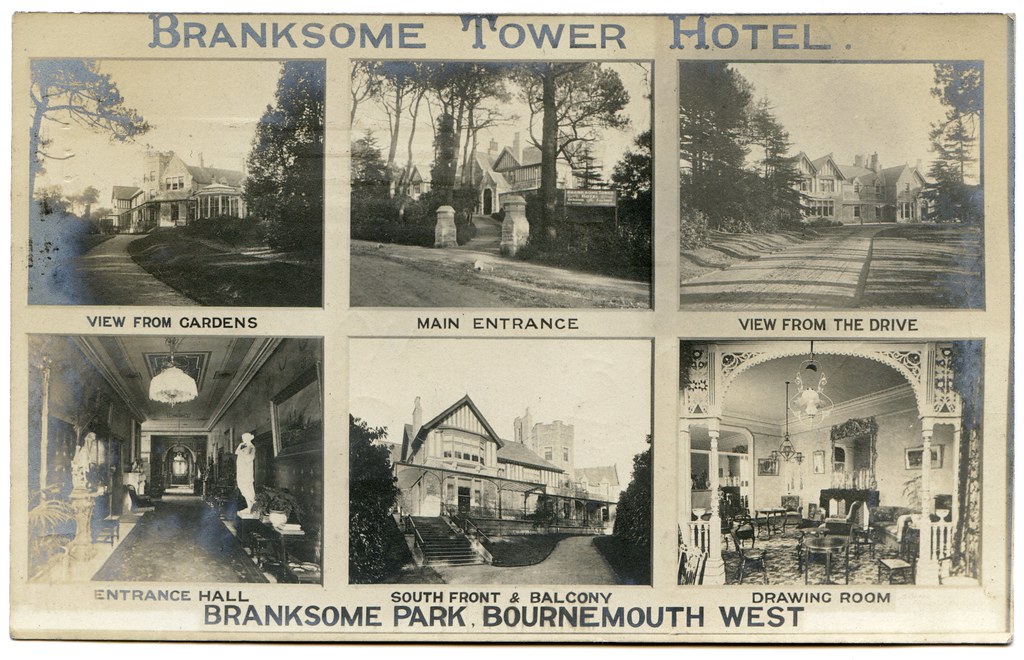
Following Packe’s death, the mansion was converted into a hotel in the early 1890s. For the better part of the next eighty years, the Branksome Tower Hotel was one of the most celebrated establishments on the South Coast, remaining open even through the Second World War. It was eventually sold to a developer in the early 1970s and, despite public opposition, demolished in 1973.
Branksome Towers Today
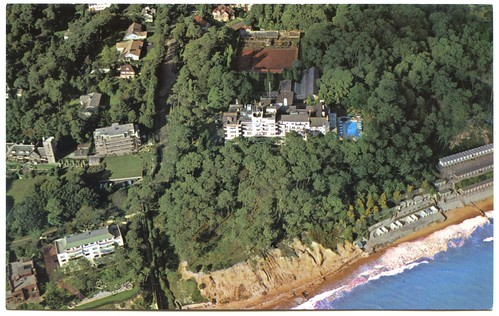
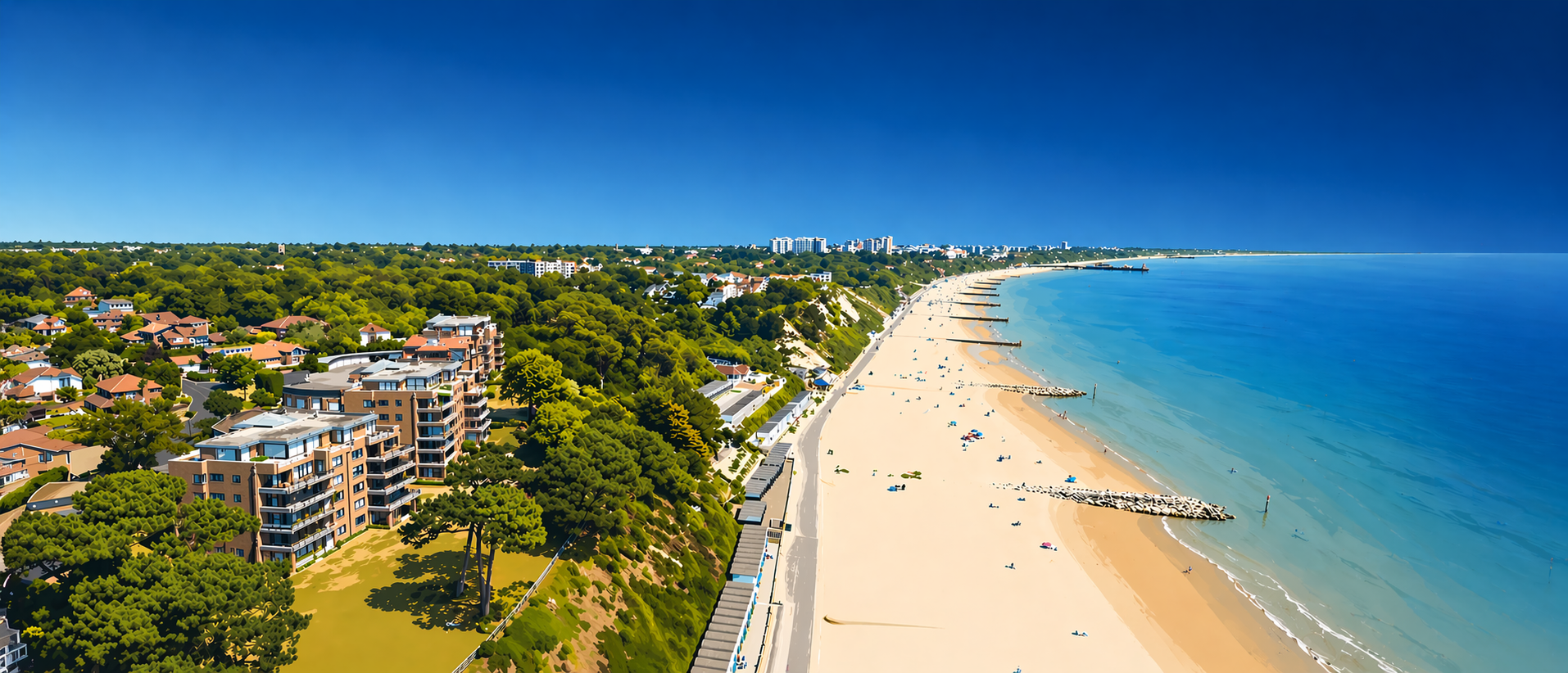
Following the hotel’s demolition, the clifftop site was redeveloped in the late 1970s into the residential development that stands today, Blocks A and B, home to the flat owners of Branksome Towers Flatowners’ Association Limited. The clifftop position, mature grounds, and proximity to the beach remain as much a part of the address’s character now as they were in the estate’s earliest days.